
By Antonio Aragón
In Homer’s Odyssey, Odysseus spends years overcoming monsters, storms and temptation to return home.
Ithaca is the destination.
The journey is the challenge.
With all the buzz surrounding Christopher Nolan’s film The Odyssey (8th or 7th century BCE), I found myself revisiting one of my favourite poems instead:
Ithaka (1894) written by the Greek poet Constantine P. Cavafy.
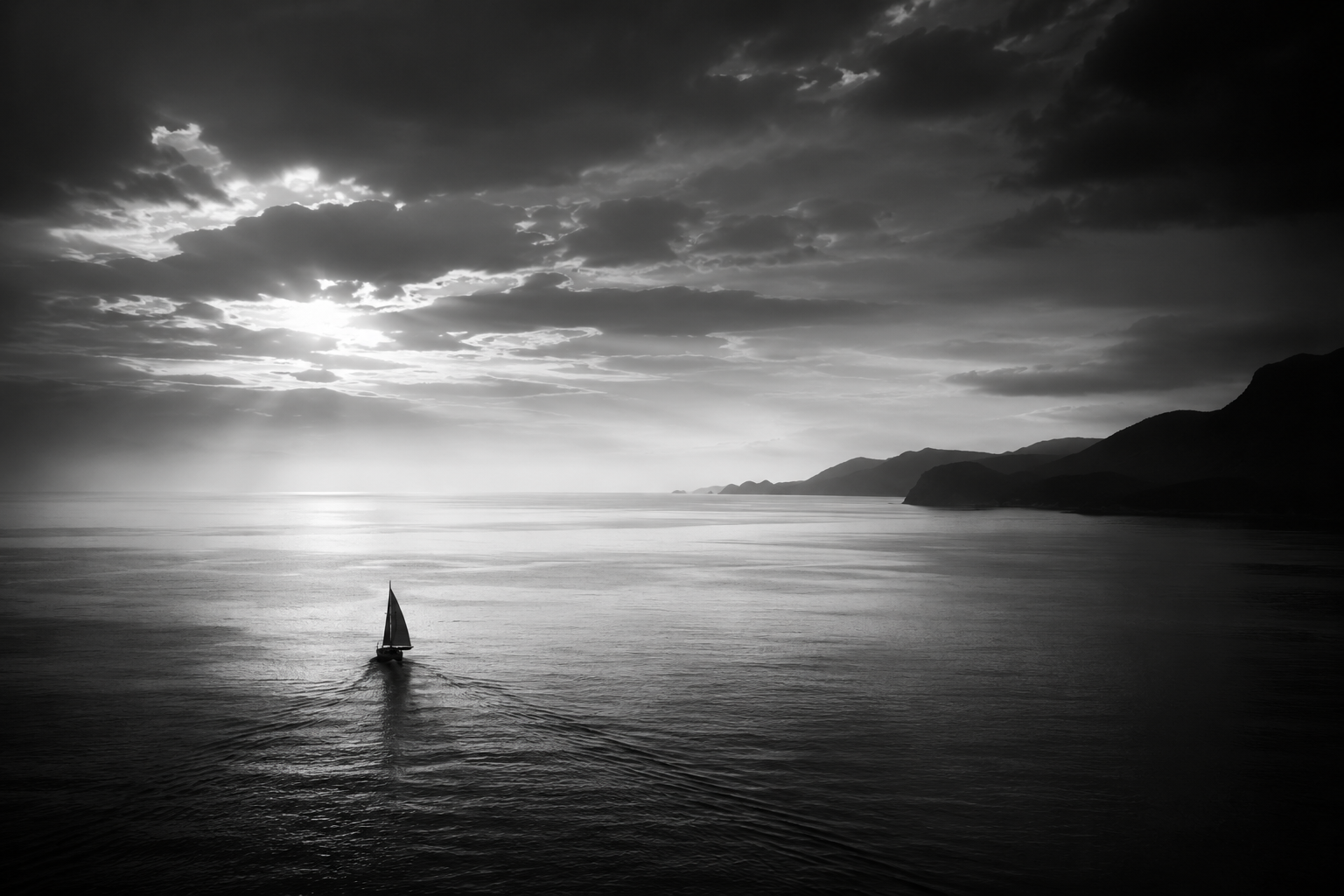
In it, Cavafy reverses Homer’s idea in a very calming way… almost like a lone sail boat circumnavigating the seas.
Both works begin with the same destination… but arrive at very different conclusions.
“As you set out for Ithaka, hope your road is a long one, full of adventure, full of discovery…”
For Cavafy, Ithaka is simply the reason to begin the journey. The real reward lies in the people we meet, the lessons we learn, the setbacks we overcome and the person we become along the way.
The monsters, he suggests, are often the ones we carry within ourselves.
“Laistrygonians, Cyclops, wild Poseidon—you won’t encounter them, unless you bring them along inside your soul, unless your soul sets them up in front of you…”
That message resonates with me… as I appreciate the journey as much as the destination itself. In our hyperactive world we tend to rush to arrive but ignore the pleasure of each and every step of the way.
“May you stop at Phoenician trading stations, to buy fine things, mother of pearl and coral, amber and ebony, sensual perfume of every kind…”
At the end, our Ithaka will still be there… but we will likely become someone different by the time we reach it.
“Keep Ithaka always in your mind. Arriving there is what you’re destined for. But don’t hurry the journey at all. Better if it lasts for years, so you’re old by the time you reach the island, wealthy with all you’ve gained on the way…”
Leave a Reply